
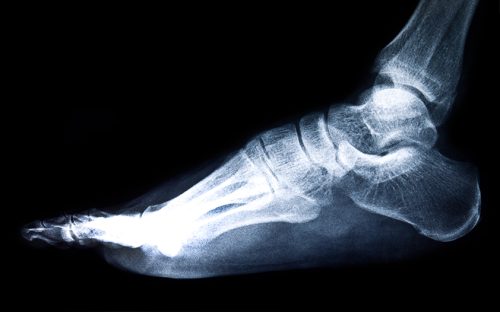
XRAY
X-ray imaging is a widely used medical technique that allows healthcare professionals to view the inside of the body without surgery. It uses controlled amounts of radiation to produce images of bones, tissues, and organs, helping diagnose fractures, infections, tumors, and other conditions. Quick, painless, and non-invasive, X-rays are essential in emergency care, dentistry, and routine check-ups. Advanced digital X-ray technology ensures high-quality images with minimal radiation exposure, making it a safe and effective diagnostic tool.

CT SCAN
A CT (Computed Tomography) scan is an advanced medical imaging technique that combines X-rays with computer technology to create detailed cross-sectional images of the body. Unlike standard X-rays, CT scans provide 3D views of bones, organs, blood vessels, and soft tissues, helping doctors detect injuries, tumors, infections, and other conditions with greater precision. The procedure is quick, painless, and non-invasive, making it invaluable for emergency diagnostics, cancer detection, and surgical planning. Modern CT scanners use low-dose radiation and fast imaging to ensure patient safety while delivering high-quality results.
- Abdomen and Pelvis CT Scan
- Angiography (any region) CT Scan
- Bone Density CT Scan
- Brain and Head CT Scan
- Chest or Lung CT Scan
- Soft Tissue of the Neck CT Scan
- Pelvis and Hip CT Scan
- Joint & Limb CT Scan
- Cervical, Thoracic, & Lumbar Spine CT Scan
- Renal Tract CT Scan
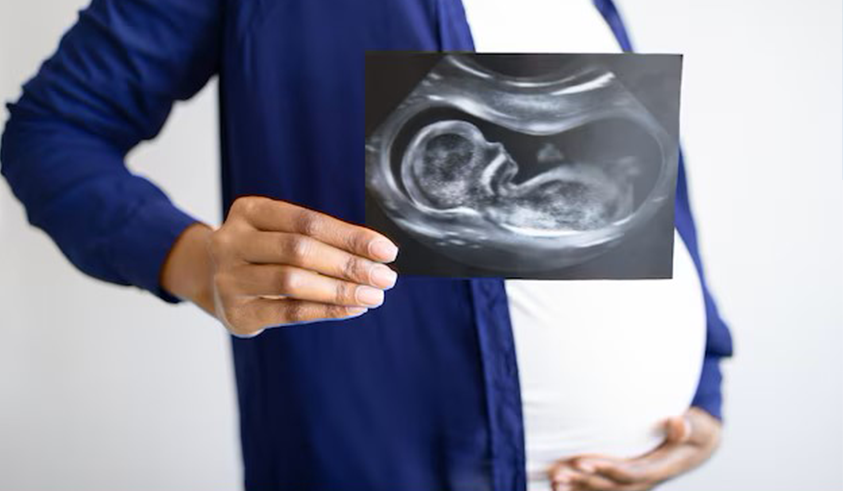
ULTRASOUND
Ultrasound imaging, also known as sonography, is a safe and painless diagnostic procedure that uses high-frequency sound waves to create real-time images of the body’s internal structures. Unlike X-rays, it doesn’t use radiation, making it particularly suitable for monitoring pregnancies and examining soft tissues like muscles, organs, and blood vessels. The procedure involves moving a small handheld device (transducer) over the skin, which sends and receives sound waves to produce detailed images on a screen. Ultrasound is widely used to diagnose conditions, guide biopsies, and assess blood flow. With its non-invasive nature and immediate results, ultrasound is an essential tool in modern medical diagnostics.
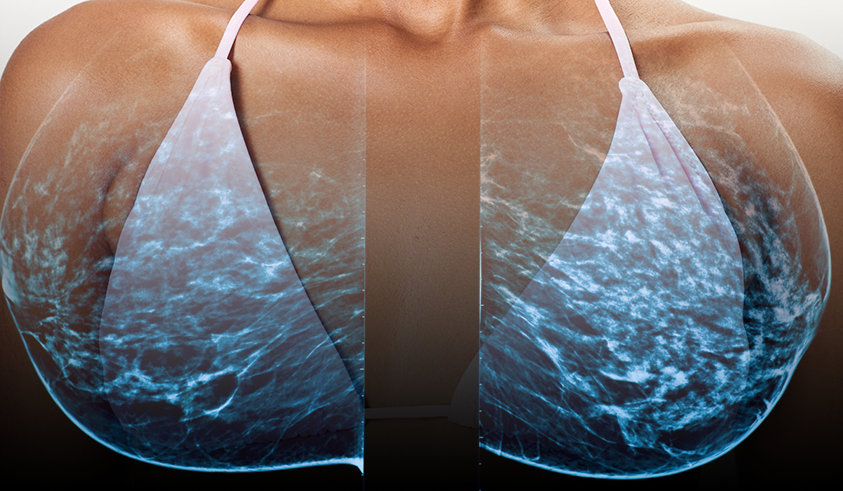
MAMMOGRAPHY
Mammography is a specialized medical imaging technique that uses low-dose X-rays to examine breast tissue for early signs of cancer and other abnormalities. It is the gold standard for breast cancer screening, capable of detecting tumors long before they can be felt during a physical exam. Mammograms play a crucial role in early diagnosis, improving treatment success rates and saving lives. The procedure is quick, safe, and minimally uncomfortable, with modern digital mammography offering enhanced image clarity and lower radiation exposure. Regular mammograms are recommended for women, especially those over 40 or with a family history of breast cancer, as part of preventive healthcare.
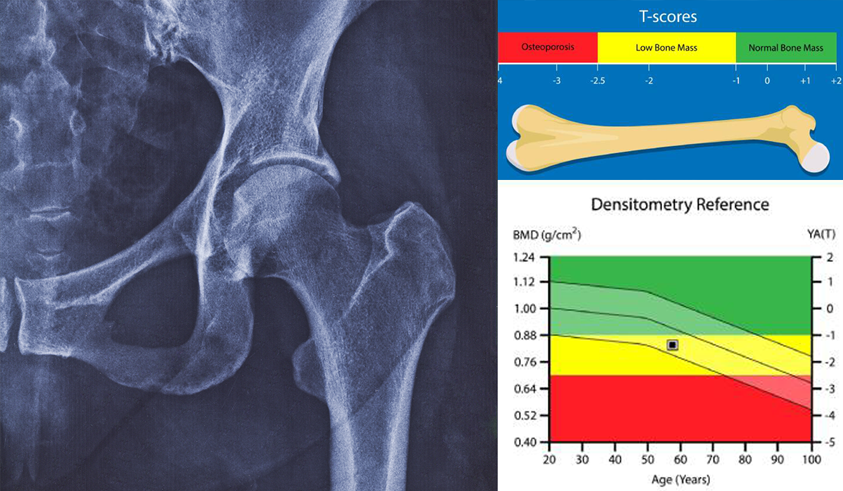
Bone Densitometry
Bone Densitometry, commonly known as a DEXA scan (Dual-Energy X-ray Absorptiometry), is a quick, non-invasive imaging test that measures bone mineral density to assess osteoporosis and fracture risk. Using low-dose X-rays, it evaluates the strength of bones, typically focusing on the spine, hips, or forearm. This painless procedure helps detect early bone loss, monitor treatment effectiveness, and guide preventive care. Ideal for older adults, postmenopausal women, and individuals with risk factors, Bone Densitometry is a vital tool for maintaining skeletal health and preventing fractures.
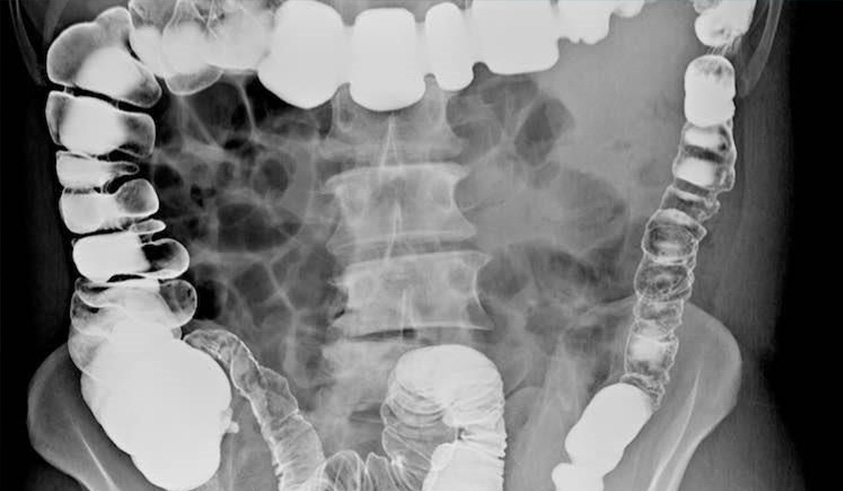
FLUOROSCOPY
Fluoroscopy is a dynamic medical imaging technique that uses continuous X-ray beams to produce real-time, moving images of the body’s internal structures. Often compared to an “X-ray movie,” it allows physicians to observe processes like blood flow, swallowing function, or joint movement, as well as guide minimally invasive procedures such as angiograms, orthopedic surgeries, or gastrointestinal studies. While involving slightly higher radiation exposure than standard X-rays, modern fluoroscopy systems minimize dose levels while delivering high-quality imaging. This versatile technology plays a critical role in both diagnostic evaluations and therapeutic interventions across multiple medical specialties.

Occupational Health Screening
Occupational health screening is a preventive medical evaluation designed to assess employees’ fitness for work and identify potential health risks related to their job roles. These screenings typically include medical exams, vision/hearing tests, lung function assessments, and other evaluations tailored to workplace hazards. By detecting early signs of work-related illnesses or ensuring employees can safely perform specific tasks, these screenings help maintain a healthy workforce, reduce absenteeism, and comply with workplace safety regulations. Ideal for industries with physical, chemical, or ergonomic risks, occupational health screening promotes employee well-being and productivity.